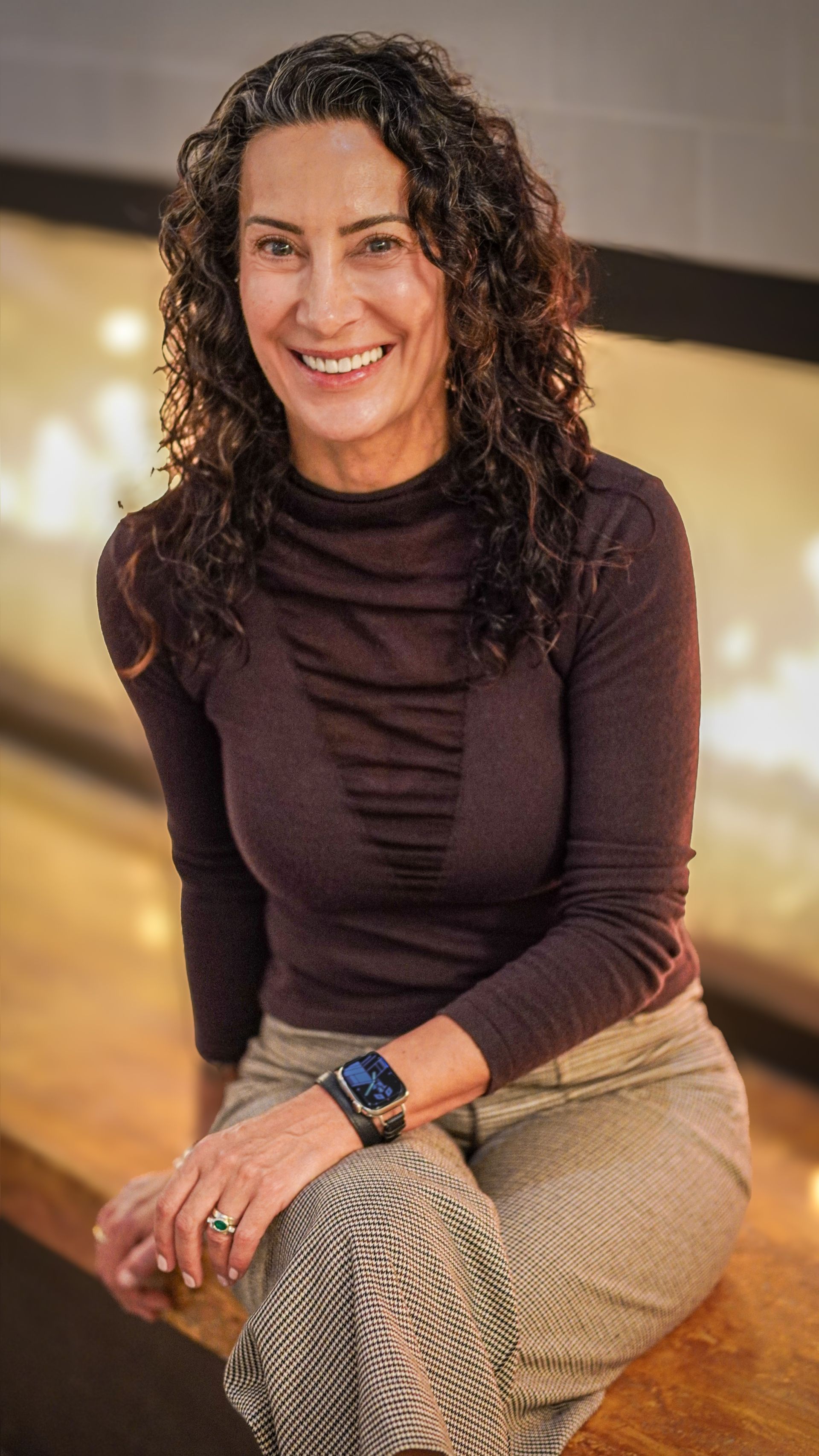
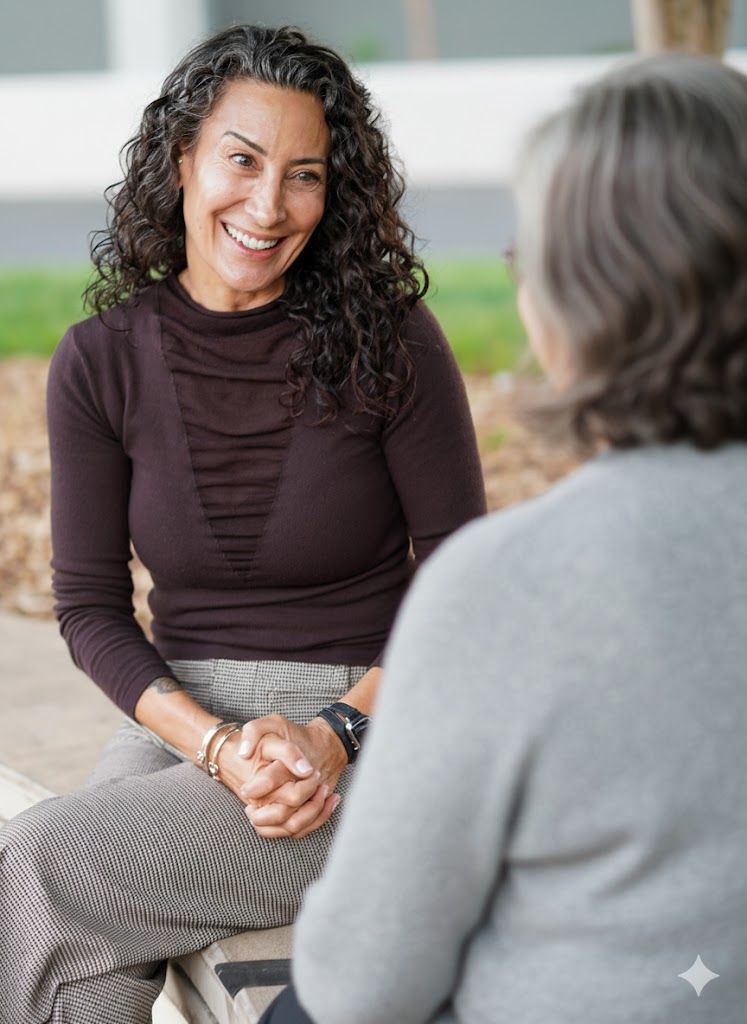
Perry Academy Spotlight Series: Tamara De Angelis, M.S.W., LCSW
Nov 3
/
Tamara De Angelis, M.S.W., LCSW
One mantra I come back to often is, "Listen deeply, honor her story, and trust that change is possible at every stage."
It reminds me to meet each person where they are, respect their lived experience, and hold space for change.
Tamara, what inspired you to specialize in women's midlife health?
I decided to specialize in women's midlife health after going through the menopause transition myself. For years, I saw multiple specialists for a range of new symptoms and diagnoses, yet no one mentioned perimenopause. I started to believe I was a person with many health problems. When I finally figured out it was perimenopause and began MHT, most of my physical symptoms improved dramatically.
That experience changed how I saw both my health and my work. As a clinician, I knew I wanted to be part of the solution, helping women get accurate information and compassionate support. Now, I focus on the psychological and emotional aspects of the (peri)menopause transition, helping women navigate this stage with clarity and confidence.
How has the Perry Academy Training influenced your work or the way you support clients/patients?
The training for Allied Health Professionals gave me a multidisciplinary perspective that supports my desire to provide holistic care to the women I work with. I have a better understanding of how various disciplines can offer support to my clients. This understanding is valuable to me because it equips me to make referrals to other modalities and to explain to clients why a referral may be helpful.
What's one misconception about perimenopause you'd love to see change?
Only one?!
A lot of people still think perimenopause is only about hot flashes and night sweats, but that view misses the bigger picture. Women often experience irritability, mood swings, brain fog, and even depression or anxiety during this transition. Perimenopause is a psychological and social shift as well as a physical one, affecting how women see themselves and relate to others, so we need to talk more openly about the identity and relationship changes that come with this stage.
What's your favorite takeaway from the Perry Academy experience?
Hearing from various clinicians, researchers, and educators underscored the numerous opportunities to talk with women about this transition. I can confidently discuss with clients how the transition may impact them and how interventions outside of my discipline and beyond their OBGYN may be helpful.
Any advice you'd give to other professionals starting this journey?
Training in this life stage should be mandatory for any provider sitting across women in midlife, so get trained! Once you understand how far-reaching this stage is, you realize how essential proper training is. If you struggle to have an informed meaningful conversation about perimenopause, it's time to take this course.
What's one patient story or outcome that has stayed with you?
When I hear a woman tell me she is afraid she's "going crazy" or is fearful she may be developing Alzheimer's because of memory issues, or is suffering from musculoskeletal pain, and I'm able to provide solid information that helps reassure them, I am moved. Every time. These moments remind me why this work matters.
How do you see the landscape of perimenopause care evolving over the next five years?
I am encouraged because research is finally catching up, Michigan State University's $3.7 million dollar study is looking into how hormonal shifts in perimenopause affect mental health. More women are pushing to drop the FDA's outdated black-box warning on low-dose vaginal estrogen.
Policy is moving too: Rhode Island now requires workplace accommodations, and California's Menopause Care Equity Act alongside a proposed federal bill could bring more exhaustive coverage and research but there is still a gap to close, since only about a third of employers offer menopause-friendly accommodations and even fewer offer wellness programs. At the same time, I have to be honest, women's healthcare is political, and right now it feels like our access to care could change at any moment, so it is hard to say where we will be in five years.
If you could change one thing in how the healthcare system approaches women in midlife, what would it be?
If I had a magic wand, I would make (peri)menopause training mandatory for all healthcare professionals!
About Tamara De Angelis, M.S.W., LCSW
Psychotherapist | Founder, The New Change
Tamara De Angelis is a licensed clinical social worker and psychotherapist specializing in the emotional and mental health dimensions of perimenopause and midlife. Through her practice, The New Change, she helps women navigate identity shifts, mood changes, and life transitions with evidence-based therapeutic approaches and compassionate guidance.
Her work emphasizes that midlife is not simply a stage to endure but a time to re-author one’s story — with the right psychological tools and support.
Location:
Providing virtual individual and group (peri)menopause-informed psychological care across California and Florida
For Physicians: The Bone Health and Osteoporosis Foundation is accredited by the Accreditation Council for Continuing Medical Education to provide continuing medical education for physicians. The Bone Health and Osteoporosis Foundation designates this internet live activity for a maximum of 0.5 AMA PRA Category 1 Credit(s)™.
For Nurses and Nurse Practitioners: The Bone Health and Osteoporosis Foundation is accredited as a provider of nursing continuing professional development by the American Nurses Credentialing Center’s Commission on Accreditation. The Bone Health and Osteoporosis Foundation designates this activity for 0.5 continuing nursing education contact hours.
For all other members of the Healthcare Team: A certificate of attendance will be provided to all other health care professionals requesting credits in accordance with state licensing boards, specialty societies, or other professional associations.
Continuing Medical Education: the Perimenopause Certificate will be eligible for 11.75 credit hours
For Physicians: The Bone Health and Osteoporosis Foundation is accredited by the Accreditation Council for Continuing Medical Education to provide continuing medical education for physicians. The Bone Health and Osteoporosis Foundation designates this internet live activity for a maximum of 0.5 AMA PRA Category 1 Credit(s)™.
For Nurses and Nurse Practitioners: The Bone Health and Osteoporosis Foundation is accredited as a provider of nursing continuing professional development by the American Nurses Credentialing Center’s Commission on Accreditation. The Bone Health and Osteoporosis Foundation designates this activity for 0.5 continuing nursing education contact hours.
For all other members of the Healthcare Team: A certificate of attendance will be provided to all other health care professionals requesting credits in accordance with state licensing boards, specialty societies, or other professional associations.
Write your awesome label here.
Write your awesome label here.
Perry Advanced (Prescriber Track)
Built for licensed medical professionals who diagnose and prescribe.
Ideal for:
Physicians (OB/GYN, Family Medicine, Internal Medicine)
NPs, PAs
Pharmacists in clinical roles
Focus:
Clinical evaluation and treatment, including hormone therapy, non-hormonal medication options, dosing, monitoring, and risk assessment.
Complex case scenarios, medication management, and clinical decision pathways.
Approved Continuing Education:
Write your awesome label here.
Write your awesome label here.
Perry Core (Allied Health Professional Track)
Built for professionals who support women in midlife but do not prescribe.
Ideal for:
Dietitians, nutritionists, health coaches
Physical therapists, pelvic floor therapists
Psychologists, social workers, counselors
Fitness professionals and wellness practitioners
Focus:
Lifestyle, behavioral, and non-prescribing interventions.
How to assess perimenopause symptoms, guide behavior change, support communication, and collaborate effectively with prescribers.
You want to:
Understand the physiology and symptom patterns
Provide evidence-based care, referrals, and patient education
Expand your scope within your license
Be part of a multidisciplinary care network
Approved Continuing Education: CEU/CPD eligible for dietitians, psychologists, social worker, physical therapists and fitness experts. More pending.
Login or sign up to start learningLogin to start learning